Choosing the right music studio is one of the most important decisions an artist, producer, or content creator can make. Whether you are recording a single track, producing a full album, or creating audio for multimedia projects, the quality of the studio can significantly impact the final product. A professional music studio is not simply a room with microphones and instruments—it is a carefully designed environment that combines technical expertise, acoustics, equipment, and creative support to deliver high-quality results.
Knowing what to look for in a studio can save time, reduce frustration, and ensure your project reaches its full potential. From equipment and acoustics to staff expertise and workflow, several factors determine whether a studio will meet your creative needs. Check out https://www.beesharpmusic.com/ today!
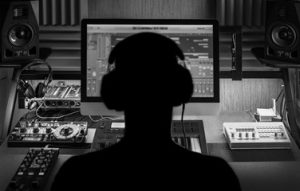
One of the most critical factors to consider is the quality of recording equipment. Modern music studios are equipped with professional-grade microphones, preamps, audio interfaces, mixing consoles, monitors, and software. High-quality equipment ensures that every note, beat, and vocal nuance is captured accurately, producing clean recordings that require minimal post-production correction. Artists working in genres such as orchestral, electronic, or pop music benefit immensely from the precision offered by professional equipment, as it captures subtle details that might otherwise be lost in a basic home setup. When evaluating a studio, it is important to confirm that the equipment is well-maintained, up-to-date, and suitable for the type of music or project you plan to produce.
Acoustic design is another essential consideration when choosing a music studio. Professional studios are carefully engineered to manage sound reflections, minimize external noise, and create an optimal recording environment. Acoustic treatments such as diffusers, absorbers, and bass traps prevent unwanted echo, resonance, or reverb from compromising the recording. A properly designed control room allows sound engineers to hear an accurate representation of the mix, ensuring that adjustments and effects are applied correctly. Poor acoustics can make mixing and mastering difficult and may result in a recording that sounds inferior across different playback systems. Ensuring the studio has a well-designed acoustic environment is key to achieving clarity, balance, and professional-quality sound.
Staff expertise is a factor that can significantly affect the recording process. The best studios employ experienced sound engineers, producers, and technicians who understand how to capture the best performance from artists. Studio professionals can offer guidance on microphone placement, signal flow, mixing techniques, and creative production strategies. Their ability to troubleshoot technical issues, adjust equipment, and provide constructive feedback can save time and enhance the quality of your project. When evaluating a studio, it is important to consider the experience, reputation, and skill set of the staff, as their expertise often makes the difference between an average recording and an exceptional one.
Versatility and specialization are also important when selecting a music studio. Depending on your project, you may need a studio that accommodates full-band recordings, solo performances, voiceovers, or electronic music production. Some studios offer isolation booths for vocals or specific instruments, while others provide advanced digital audio workstations (DAWs) for complex sequencing and editing. A versatile studio can adapt to a wide range of recording scenarios, ensuring that your creative vision can be fully realized. If your music spans multiple genres or requires diverse recording techniques, finding a studio that can accommodate these needs will improve efficiency and results.
The workflow and session flexibility of a studio should also be considered. Professional studios often offer structured yet flexible scheduling options, allowing artists to book sessions by the hour, day, or project. Some studios include packages that cover recording, mixing, and mastering, providing a streamlined workflow from start to finish. A well-organized session schedule ensures that time is used efficiently and that all necessary tasks, such as instrument tracking, vocal recording, and post-production, can be completed without unnecessary delays. Flexibility in workflow also allows for creative spontaneity, which can be crucial in achieving unique or experimental sounds.
Another factor to consider is the studio’s software and digital capabilities. Modern music production often relies on DAWs, virtual instruments, plugins, and other digital tools. Ensuring that the studio has up-to-date software compatible with your workflow is essential. Some studios also offer remote collaboration features, which allow artists to work with producers or engineers from different locations without sacrificing quality. These digital capabilities expand creative possibilities and make it easier to integrate recordings into larger projects or multimedia productions.
Sound isolation and privacy are additional considerations. Recording in a studio often requires focus and concentration, free from distractions and interruptions. Isolation rooms for vocals or specific instruments prevent sound bleed and ensure that each track is captured cleanly. Additionally, privacy is important for artists who prefer a quiet, controlled environment for creativity or who may be working on sensitive projects. A studio that prioritizes isolation and a comfortable working environment will allow artists to perform at their best and reduce the risk of mistakes or re-takes.
Mixing and mastering facilities are another essential feature of a high-quality studio. Recording is only part of the production process; proper mixing and mastering ensure that the final track sounds polished and professional across all playback systems. Studios with dedicated mixing and mastering engineers, professional-grade monitors, and high-quality acoustics allow artists to hear accurate representations of their recordings and make informed adjustments. Whether producing music for streaming platforms, radio, or film, having access to professional mixing and mastering services is a key factor in achieving industry-standard quality.
Reputation and client experience can provide insights into a studio’s quality and reliability. Reviews, testimonials, and case studies from previous clients can reveal whether a studio consistently delivers high-quality recordings and maintains a professional working environment. Positive client experiences often indicate that the studio values organization, communication, and artistic support. While visiting a studio, consider how staff interact with clients, whether equipment is well-maintained, and whether the space is conducive to long recording sessions. A studio with a strong reputation often reflects a combination of technical excellence, creative support, and efficient workflow.
Cost and value are practical considerations when choosing a studio. While professional-grade studios often come with higher fees, the investment is usually justified by the quality of the equipment, expertise, and overall experience. Some studios offer tiered pricing or packages that include recording, mixing, and mastering services, providing better value for projects with multiple components. It is important to balance budget constraints with the need for quality, as compromising on equipment, acoustics, or expertise can negatively impact the final result. Evaluating the cost relative to the expected outcomes helps ensure that your investment in a studio yields the best possible return in terms of sound quality and creative support.
Accessibility and convenience are additional practical factors to consider. The studio should be easily reachable and provide a comfortable working environment, including amenities such as rest areas, proper lighting, and climate control. These factors may seem minor, but they can significantly affect focus and performance during long sessions. A comfortable, accessible studio reduces stress, keeps artists energized, and supports creative productivity, all of which contribute to better recordings and overall project success.
Finally, consider the creative environment and atmosphere of the studio. A professional recording space is not just about technical capabilities; it also plays a role in inspiring creativity. Studios with an inviting, professional, and artist-friendly atmosphere can help musicians feel relaxed, confident, and inspired. The ambiance of a studio, combined with the expertise of staff and quality of equipment, creates a space where artists can experiment, collaborate, and bring their vision to life. A studio that fosters creativity, provides constructive feedback, and encourages exploration is often more valuable than a technically perfect but uninspiring space.
Selecting the right music studio is a multifaceted decision that combines technical, practical, and creative considerations. High-quality equipment, well-designed acoustics, experienced staff, versatility, workflow flexibility, digital capabilities, sound isolation, and mixing and mastering facilities all play a crucial role in producing professional recordings. In addition, reputation, cost, accessibility, and the overall creative atmosphere contribute to the effectiveness of a studio. By carefully evaluating these factors, artists, producers, and content creators can choose a music studio that supports their artistic vision, maximizes sound quality, and ensures a smooth, productive recording process. Ultimately, the right studio not only enhances technical results but also inspires creativity, collaboration, and professional growth, making it an essential investment for anyone serious about their music.